
The Five Elements in TCM: How Wood, Fire, Earth, Metal, and Water Shape Your Energy and Emotions
There are seasons in a life when something feels out of step. A stretch of months where you are more reactive than usual, or more tired than rest can explain, or anxious without a clear reason. Nothing is wrong on paper. And yet the balance you used to feel is not quite there.
Traditional Chinese Medicine has been describing this experience for thousands of years, and it does so through a simple and beautiful framework: the Five Elements. Wood, Fire, Earth, Metal, and Water.
They are not a belief you have to adopt. They are a map. A way of noticing which part of you is asking for attention, and how the parts relate to one another. This guide is an introduction to that map. It explains what each element represents, how they move together through the seasons and through a life, and what it can mean when one of them falls out of balance. By the end you will have a clearer sense of where your own energy is asking to be supported.
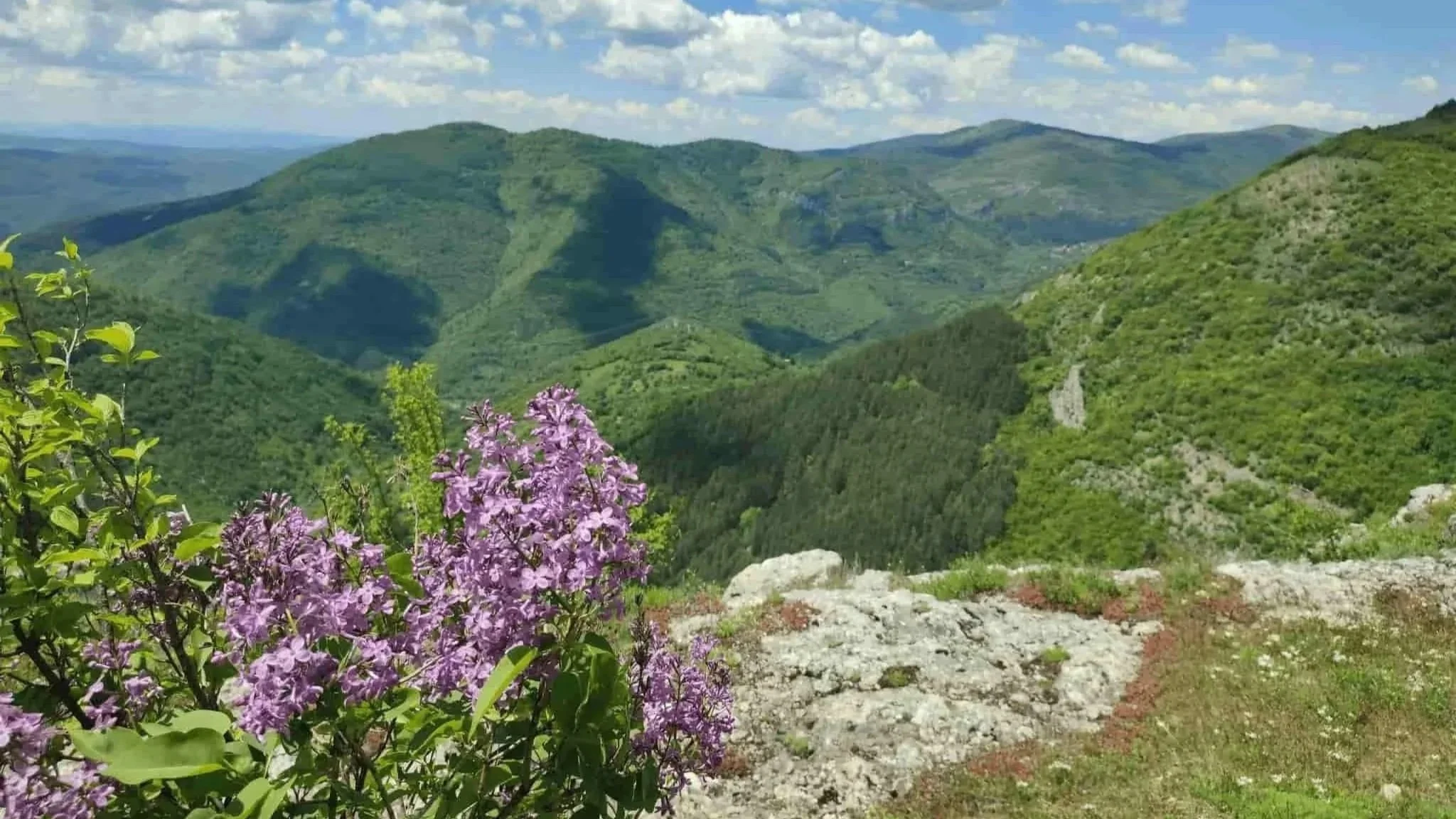
Spring is the season of growth, movement, and new beginnings. In the Five Elements system, this energy is associated with the Wood element and the Liver and Gallbladder meridians.
What the Five Elements actually are
In TCM philosophy, the Five Elements are five qualities of energy that move through nature and through every living being. Each one is traditionally associated with a season, a pair of organs, an emotional tone, and a particular movement of energy.
It helps to hold this in two languages at once, because both are true. In the traditional language, the elements describe the flow of life energy, the way vitality rises, expands, settles, contracts, and rests, again and again, like the turning of a year. In the language of your everyday life, you can recognise the same thing as your natural rhythms: periods of drive and periods of recovery, the nervous system moving between activity and rest, the way your mood and energy shift with the light of the seasons. These are not competing pictures. They are one rhythm, described from two sides.
The elements are not separate boxes. They form a cycle. Each one feeds the next, the way Water nourishes Wood, and Wood feeds Fire. And each one keeps another in check, so that no single quality grows unchecked. This is the key idea of the whole system. The elements are a relationship, not a list. When one is depleted or overworked, the others feel it.
The Cycle of the Five Elements
Supporting Cycle
Imagine the five elements arranged in a circle, each one passing its energy to the next. Water gives way to Wood, the way winter rest makes spring growth possible. Wood feeds Fire, the way growth builds toward fullness. Fire settles into Earth, the way summer ripens into late summer’s harvest. Earth yields Metal, the way the harvest is gathered and refined. Metal returns to Water, the way autumn’s letting go makes way for winter’s stillness. And then the cycle begins again. This is why TCM practitioners have long noted that a difficulty in one area of life may be reflected in an element that sits earlier in the cycle. A person struggling with drive and direction, qualities of Wood, may be carrying a depletion in Water, the element that nourishes Wood.
Controlling Cycle
The Five Elements do not only support one another. They also help keep one another in balance.
Imagine the elements connected by a second set of relationships. Water controls Fire, the way water prevents a fire from burning out of control. Fire controls Metal, the way heat transforms metal. Metal controls Wood, the way a pruning tool helps guide growth. Wood controls Earth, the way roots hold and organise the soil. Earth controls Water, the way riverbanks contain and direct a river's flow. This cycle helps explain why a problem in one element may affect another seemingly unrelated area. For example, Water normally helps keep Fire balanced. When Water becomes depleted, the Fire it would normally calm can become excessive. Many people recognise this as feeling exhausted but unable to switch off. The visible symptom appears to belong to Fire, but the deeper imbalance may lie in Water. The controlling cycle reminds us that balance is not created by strengthening one element alone. It comes from the relationship between all five.

The system invites you to look not only at where the discomfort shows, but at what stands behind it. This is the same root cause thinking that runs through all of my work. What follows is a short portrait of each element. As you read, notice which one feels most alive for you right now, and which one feels quiet or strained.
Wood: growth, direction, and the spring of the year
In TCM philosophy, Wood is the energy of spring. It is associated with the liver and gallbladder, and with the emotional themes of vision, decision, and forward movement. When Wood is flowing well, there is a sense of purpose and the flexibility to adapt. When it is strained, TCM practitioners have long noted that this may be reflected in irritability, frustration, a feeling of being stuck, or tension that the body holds without rest.
Wood is the element of beginnings and of healthy assertiveness. It asks: am I able to move toward what matters to me.
For a fuller exploration of this element, including how spring affects emotional flow, see the guide to Spring, the Wood Element, and your emotions.
Fire: warmth, connection, and the height of summer
In TCM philosophy, Fire is the energy of summer. It is associated with the heart and small intestine, and with the emotional themes of joy, warmth, and connection. When Fire is balanced, there is ease in relationship and a natural brightness. TCM practitioners have long noted that when Fire is strained, this may be reflected in restlessness, difficulty settling, sleep that does not come easily, or a sense of being wired and depleted at the same time. Fire is the element of presence and of the open heart. It asks: am I able to connect, to rest, and to feel joy. You can read more about the Fire element in the blog post dedicated to Fire and Summer
Earth: nourishment, steadiness, and the turning of late summer
In TCM philosophy, Earth is the energy of late summer, the brief, abundant pause between growth and harvest. It is associated with the spleen and stomach, and with the emotional themes of nourishment, grounding, and care. When Earth is balanced, there is a felt sense of stability and of being supported. TCM practitioners have long noted that when Earth is strained, this may be reflected in worry that circles without resolution, overthinking,
difficulty feeling settled, or a tendency to care for others while struggling to receive care. Earth is the element of home and of belonging. It asks: am I grounded, and am I nourished.
Metal: refinement, letting go, and the clarity of autumn
In TCM philosophy, Metal is the energy of autumn. It is associated with the lungs and large intestine, and with the emotional themes of clarity, value, and release. When Metal is balanced, there is the ability to let go of what is finished and to recognise what is precious. TCM practitioners have long noted that when Metal is strained, this may be reflected in grief that does not move, difficulty releasing the past, or a sense of holding on past the natural time of holding.
Metal is the element of completion and of grace in letting go. It asks: am I able to release, and to honour what mattered.
For more on this element and the wisdom of release, see Finding balance at the Autumn Equinox.
Water: rest, depth, and the stillness of winter
In TCM philosophy, Water is the energy of winter. It is associated with the kidneys and bladder, and with the emotional themes of rest, willpower, and deep reserves. Water is the foundation of the whole cycle, the element that holds your essential vitality. When Water is balanced, there is resilience and a quiet trust. TCM practitioners have long noted that when Water is depleted, this may be reflected in fear, exhaustion that rest does not touch, anxiety, or a feeling of running on empty.
Water is the element of reserve and of deep safety. It asks: am I rested, and do I feel held.
For a deeper look at this element and emotional resilience, see the Water Element in TCM and Kidney energy.

Periods of rest are as important as periods of action. Recovery creates the foundation for everything that follows.
When one element falls out of balance
Because the elements move as a cycle, a strain in one is rarely contained to one. This is the part of the system that brings real clarity.
When Water is depleted, the Fire it would normally calm can rise unchecked, which is the familiar experience of feeling exhausted and restless at the same time. When Wood is strained, the Earth it would normally keep in healthy balance can be overwhelmed, which can feel like frustration tipping into worry. What presents as several separate problems is often one cycle that has lost its rhythm.
This is also why external pressures affect people so differently. A demanding season, a change of weather, even a geomagnetic storm, tends to expose whichever element was already under strain, rather than affecting everyone the same way.
None of this is a diagnosis, and none of it replaces medical care. If you have a physical symptom that concerns you, your doctor remains the first call. The Five Elements are a framework for understanding patterns and tendencies, a way of listening to your energy. They sit alongside good medical care, never instead of it.
How energy work supports elemental balance
This is where my work begins. Her assessment looks at the Five Elements as one connected system, identifying not only which element feels strained but which element behind it may be the true source. The aim is never to force a single symptom to quiet. It is to help the whole cycle find its rhythm again, so that balance can hold rather than slip back.
This is the principle behind the Vitality Reset Program, which works with the elements and meridians over a sustained period. For those who would like to begin with a clear picture of where their energy stands, the Energy Assessment Session is a gentle first step.
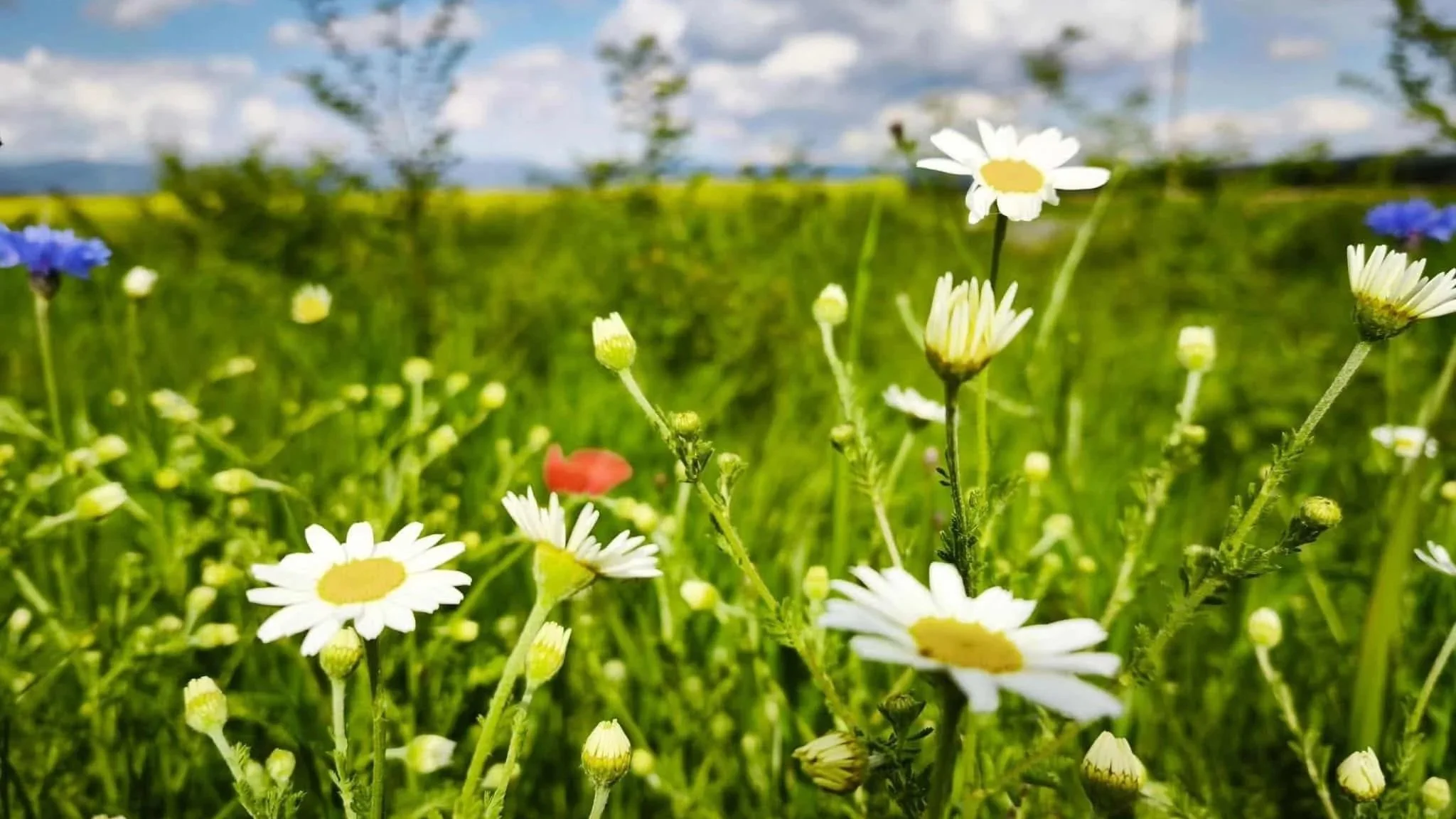
Nature moves through seasons of growth, flowering, harvest, and rest. The Five Elements describe similar rhythms within us.
A Final Thought
As you read through the five portraits, one or two of them likely felt closer to home than the others. That recognition is worth trusting. It is your own system pointing toward what is asking for care.
You are warmly invited to explore each element more deeply through the linked guides above, and to sign up for the Reiki Heaven healing blog so new seasonal guidance reaches you as each element comes into its season.
The Five Elements have offered people a way to understand themselves for thousands of years. They still do. The invitation is simply to listen.
Blessings, Maria