
Autumn, the Metal Element, and Your Emotions – A TCM Perspective on Lung and Large Intestine Balance
Autumn has a very different energy from the seasons that come before it.
Summer expands. Late summer gathers and processes. Then autumn begins to strip things back.
The days become shorter, leaves change colour and eventually fall, and nature begins to release what it no longer needs before the stillness of winter arrives.
In Traditional Chinese Medicine (TCM), autumn is connected to the Metal element, which is associated with the Lungs and Large Intestine. Its movement is one of refinement: taking in what is valuable, releasing what has finished, and creating space for what comes next.
This follows naturally from the work of the Earth element. Earth receives, nourishes and processes. Metal takes what has been processed and asks a different question:
What do I keep, and what am I ready to let go of?
From an energetic perspective, this is one of the reasons autumn can feel emotionally different. The Metal element is traditionally associated with grief and sadness, but I don't see this as simply meaning that sadness equals imbalance.
Grief is a natural response to loss.
The difficulty begins when the movement of grief becomes stuck, when we cannot release something that has ended, or when we try to let go before we have really allowed ourselves to feel what has been lost.
Understanding Metal is therefore not only about grief. It is about our whole relationship with receiving, releasing, value and boundaries.
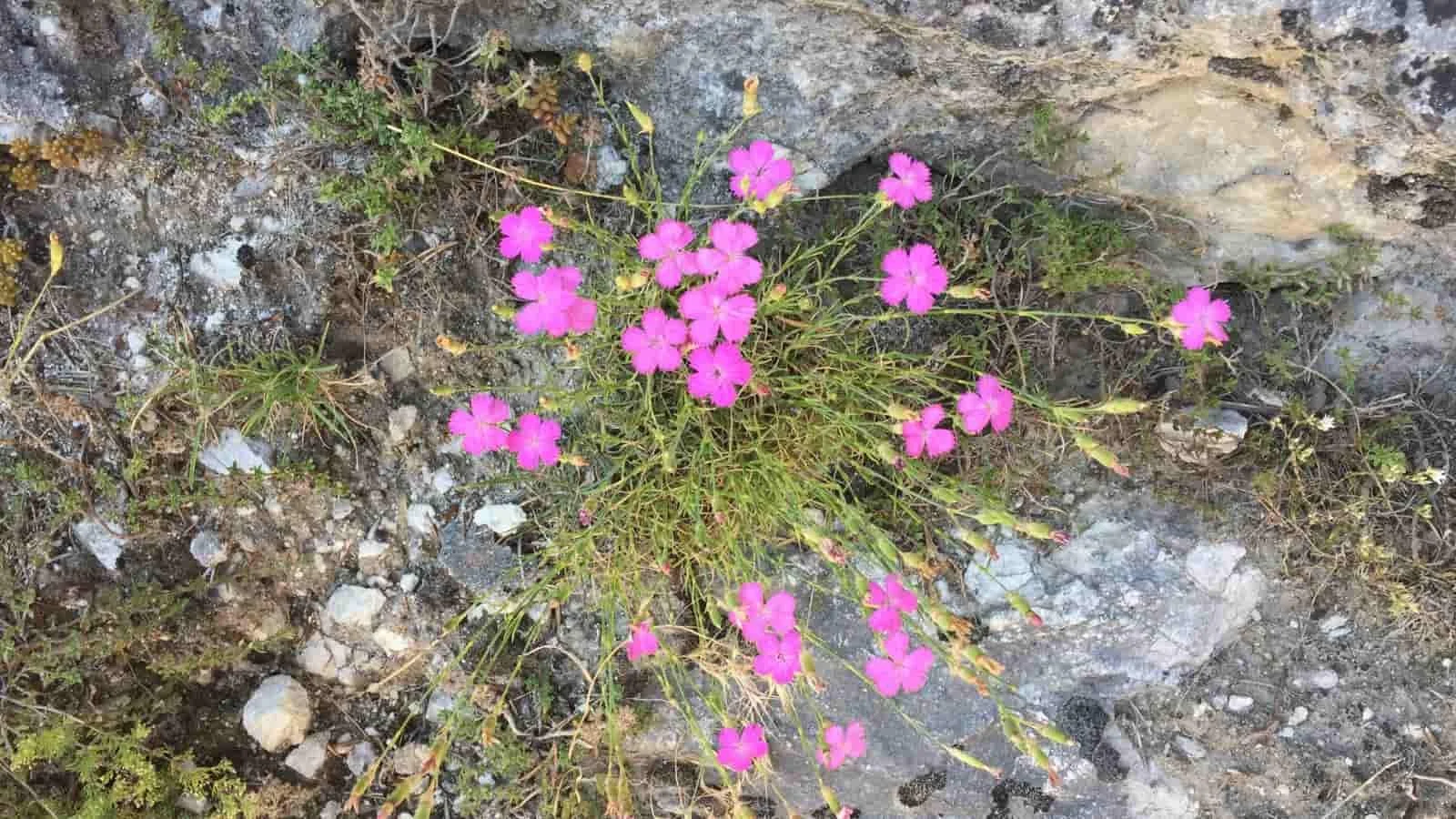
Metal teaches us to recognise what has value, what we want to preserve, and what we are ready to release.
The Lungs and the Ability to Receive
We usually think of the Lungs in terms of breathing, and breath is certainly central to their role.
Every breath contains two movements.
We breathe in.
We breathe out.
We receive, and we release.
This simple rhythm expresses something fundamental about the Metal element.
From a TCM perspective, the Lungs have an important role in the movement of Qi through the body. Energetically, I also see the Lung as connected with our ability to take in what nourishes us: not only air, but experience, connection and the things in life that have genuine value.
When this movement is balanced, receiving does not mean holding onto everything. We take in what we need, allow it to become part of us, and eventually release what has served its purpose.
When Lung energy becomes strained, this natural exchange can feel much more difficult.
Sometimes there is sadness that seems to sit heavily in the chest. Sometimes a person continues carrying an old loss long after life has moved forward around it. At other times, the pattern is almost the opposite: avoiding attachment, keeping emotional distance, or letting go too quickly because allowing something to matter also creates the possibility of losing it.
Both patterns touch the same question:
Can I allow something to matter without needing to hold it forever?
The Large Intestine and the Ability to Let Go
The Large Intestine completes the other side of Metal's movement.
Its physical function involves elimination. Within the Five Elements framework, this makes it a natural expression of Metal's capacity to release what is no longer needed.
Emotionally, letting go sounds simple until we are asked to do it.
We may know that a relationship has ended, yet continue replaying the conversations. We may understand that a situation cannot be changed, while still returning to what we wish had happened differently. We may keep possessions, responsibilities, beliefs or even versions of ourselves long after they have stopped belonging to the life we are living now.
Sometimes what we hold is painful.
But it is familiar.
And familiarity can make even something painful difficult to release.
This is why I don't think healthy Metal means simply becoming good at letting things go. Releasing everything too easily is not balance either.
Metal is about discernment.
Some things need to be released.
Some things need to be preserved.
The deeper work is knowing the difference.
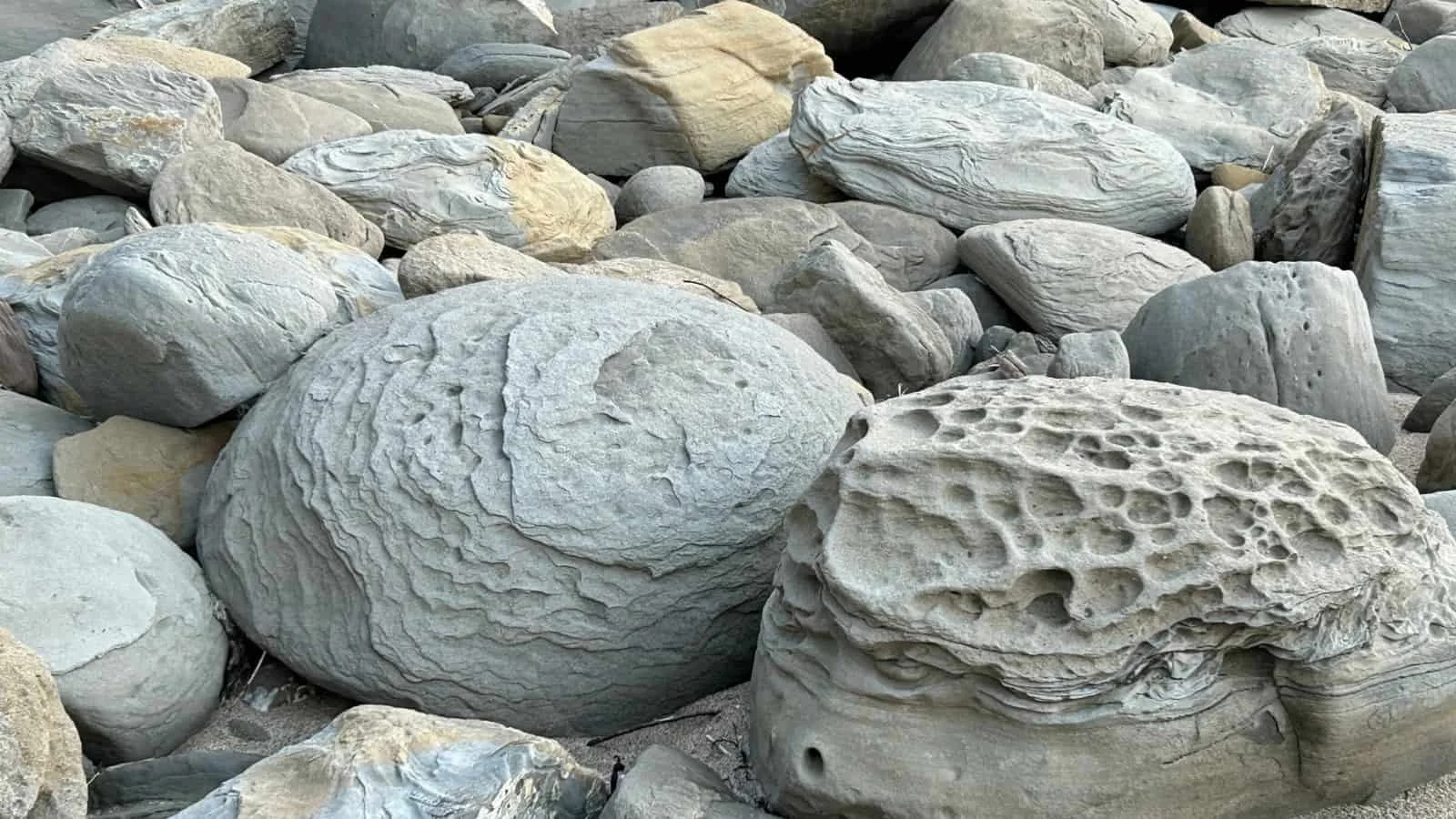
Metal is not simply about letting go. It is about knowing what to keep and what is ready to be released.
Why Grief Belongs to the Metal Element
Grief is the emotion most commonly associated with Metal in TCM.
It is easy to understand why when we look at the movement of autumn itself. Something that was alive and growing reaches completion. Nature does not pretend that nothing has changed. The leaves fall. The landscape becomes quieter. What has ended is allowed to end.
Human beings are not always so willing.
When we lose someone we love, a relationship, a home, a role, a dream or a period of our life, part of us may continue reaching backwards.
This does not mean grief is unhealthy.
Quite the opposite.
Grief is part of the process through which we acknowledge that something mattered.
In my work, I pay attention when grief seems unable to complete its movement. Sometimes there is an old loss underneath an emotional or energetic pattern that has never really been given space. The person may have continued functioning, working and caring for everyone around them while one part of them remained connected to what was lost.
There can also be grief for things that are less obvious.
We can grieve a future that never happened.
We can grieve the person we used to be.
We can grieve a relationship even when we were the one who chose to leave it.
We can grieve an opportunity, a place, a friendship or simply the realization that a particular chapter of life is over.
The mind may tell us that we should already be over it.
Metal asks something different.
Has it actually been allowed to move through?
When Holding On Becomes Heavier Than Letting Go
There is an important difference between remembering something and continuing to carry it.
We do not need to erase the past in order to move forward. We don't need to stop loving someone because they are no longer physically present, and we don't need to pretend that an experience did not matter.
Letting go is not forgetting.
For me, it means allowing our relationship with what happened to change.
This distinction matters because people often resist letting go when it feels like a betrayal. If I release my grief, perhaps I am leaving the person behind. If I stop thinking about what happened, perhaps I am saying it didn't matter. If I move forward, perhaps I am abandoning a part of myself.
But we can keep the love without keeping all of the pain.
We can keep what an experience taught us without continuing to live inside the experience.
We can honour what was important without asking it to remain exactly as it was.
This is one of Metal's deepest lessons.
Release does not have to mean rejection.
Sometimes it simply means allowing something to take a different place in our life.

Letting go does not erase what mattered. It allows life to continue moving forward.
Metal, Boundaries and Knowing What Has Value
There is another side of Metal that I find especially important in energy work: boundaries.
Metal is connected with refinement and discernment. We decide what belongs inside and what needs to remain outside, what deserves our attention and what does not, what we want to preserve and what we no longer wish to carry.
This is why boundaries are not only about saying no.
A healthy boundary protects what has value.
If everything is allowed into our emotional space, we become overwhelmed. Other people's expectations, moods, opinions and needs can begin occupying space that should belong to us.
But if the boundary becomes too rigid, nothing can enter. Support, intimacy and connection may be kept outside along with everything we are trying to protect ourselves from.
Again, balance is not found at either extreme.
We need to be able to receive without absorbing everything.
And we need to be able to release without closing ourselves to connection.
This is where Metal's relationship with value becomes particularly interesting.
When we know what matters to us, boundaries become clearer. We do not need to defend everything equally because we know what actually deserves protection.
When the Metal Element Is Out of Balance
An imbalance in Metal does not look exactly the same in everyone.
From an emotional and energetic perspective, I may see patterns such as:
grief or sadness that feels difficult to move through
continuing to hold onto a person, situation or period of life that has ended
difficulty releasing old emotional experiences
feeling emotionally closed or reluctant to receive support
very rigid boundaries, or boundaries that are too easily crossed
becoming overly attached to order, rules or control
difficulty recognising what deserves your energy and what does not
There may also be physical experiences involving breathing, the chest, skin or elimination. Within TCM these areas have traditional relationships with the Metal element, but physical symptoms should not automatically be interpreted as an energetic imbalance. Persistent or concerning symptoms need appropriate medical assessment.
The purpose of looking at the Five Elements is not to diagnose ourselves from a list.
It is to notice patterns.
If several parts of the same pattern appear together, the element gives us another way of understanding how they may relate.
Autumn Is a Season of Refinement
By the time autumn arrives, nature has already done most of its growing.
It is no longer trying to produce more.
Instead, there is selection.
Fruit is harvested. Seeds are preserved. Leaves fall. What has value is gathered, while what has completed its purpose returns to the earth.
I think this is a useful way to understand Metal because modern life constantly encourages us to add.
More information. More possessions. More commitments. More goals. More things to think about.
Metal asks whether everything we have accumulated still deserves to be carried.
Autumn can therefore be a useful time to look at your own life and notice what feels complete.
Not everything needs a dramatic ending.
Sometimes letting go means clearing a drawer full of things you never use.
Sometimes it means finally saying no to an obligation you have continued out of habit.
Sometimes it means forgiving yourself for a decision you made years ago.
Sometimes it means accepting that a relationship has changed.
And sometimes it means allowing yourself to grieve properly instead of insisting that you should already be fine.

Grief needs its own time. Moving forward does not mean leaving behind what mattered.
How to Support the Metal Element During Autumn
I don't believe balancing an element needs to become another complicated routine.
Metal responds particularly well to simplicity.
Start with the breath.
We breathe automatically, but conscious breathing gives us an opportunity to experience Metal's basic rhythm directly. Notice the inhalation without trying to make it special. Then notice the exhalation.
Receive.
Release.
Walking outdoors can support the same process, especially as the air becomes cooler and autumn makes change visible everywhere around us.
This is also a good season to create more space around yourself. Decluttering can be helpful, but I don't mean throwing things away simply because autumn has arrived. Look at what you keep and ask whether it still has meaning or whether you are holding it automatically.
The same question can be asked emotionally.
Is there something you are continuing to carry even though the situation itself is over?
Is there grief you have never really allowed yourself to feel?
Is there a responsibility that no longer belongs to you?
Is there something valuable that you actually want to keep, but have been trying to push away because feeling it is uncomfortable?
Metal is not about emptying ourselves.
It is about becoming clearer.
Nutrition can also follow the season. In Five Elements traditions, white foods and naturally pungent flavours are commonly associated with Metal. Foods such as pears, radish, cauliflower, turnip, onion and garlic can be incorporated according to your individual needs and tolerance. As the weather becomes cooler, warm and simply cooked meals may feel more supportive than relying heavily on cold food.
And perhaps most importantly, give yourself permission to move at autumn's pace.
Not everything has to be resolved immediately.
A leaf changes before it falls.
The Po: The Spirit of the Lungs
There is another aspect of the Lung that is less familiar outside Chinese medicine but adds depth to the Metal element.
In TCM, the Lungs are associated with the Po, often translated as the Corporeal Soul.
The Po is closely connected with the body, sensation and our immediate experience of being alive. It belongs to the part of us that experiences life directly through the senses and the physical body.
I find this especially meaningful when thinking about grief.
Loss is not experienced only as a thought.
We feel it physically.
The chest tightens. The breath changes. We may sigh without noticing it. Tears come before we have found the words to explain what we feel.
Sometimes the body knows we are grieving before the mind is ready to acknowledge it.
This is another reason I don't believe grief should always be analysed immediately.
Sometimes it needs to be felt.
The breath gives us a way to stay present with that experience without forcing it to disappear.

Sometimes we don't need to understand every feeling. We can simply breathe and allow it to be there.
How Metal Becomes Water
In the Sheng Cycle, Metal feeds Water.
After autumn's work of refinement and release comes winter.
This transition makes sense when we look at nature. Trees let go of their leaves. Growth above the ground becomes quieter. Energy moves inward and what is essential is conserved.
The same movement can be understood energetically.
When Metal has released what is finished, we no longer need to spend energy holding onto it. What remains can move deeper, becoming part of the reserves associated with the Water element.
Water brings us into a very different relationship with ourselves: stillness, restoration, will, fear, trust and the deeper reserves that sustain us when outward activity decreases.
But it is difficult to enter that stillness while carrying everything from the season before.
This is why the Five Elements make most sense to me as a cycle rather than five separate descriptions.
Fire expresses.
Earth receives and processes.
Metal refines and releases.
Water stores and restores.
And eventually, from that stored potential, Wood begins to rise again.
Each season prepares us for the next.
Suggestions
If you would like to understand how Metal fits into the complete cycle, you may find it helpful to read my TCM Five Elements Guide where I explain how Wood, Fire, Earth, Metal and Water support and regulate one another.
If you arrived here after reading about late summer, continue with the Earth Element guide. Earth prepares the ground for Metal by processing what has been received before autumn begins the work of refinement and release.
If you feel that grief, emotional heaviness or difficulty letting go is part of a larger energetic pattern, an Energy Assessment can help me look at the Five Elements together with your wider energy system rather than considering one element in isolation.
Blessings,
Maria
FAQ:
What emotion is associated with the Metal element in TCM?
Grief and sadness are traditionally associated with the Metal element and the Lungs. This does not mean that grief itself is an imbalance. Grieving is a natural response to loss. From a Five Elements perspective, difficulty may arise when grief becomes stuck or when the natural process of feeling and eventually releasing cannot move forward.
Which organs belong to the Metal element?
The Metal element is traditionally associated with the Lungs and Large Intestine. Together they express a basic rhythm of receiving and releasing: the Lungs take in, while the Large Intestine eliminates what is no longer needed.
What season is associated with the Metal element?
Metal corresponds to autumn. It is a season of refinement, harvesting and letting go, preparing the system for the quieter and more inward movement of winter and the Water element.
What are signs of a Metal element imbalance?
From a Five Elements perspective, Metal imbalance may be reflected in patterns involving unresolved grief, difficulty letting go, emotional withdrawal, rigid or weak boundaries, or difficulty deciding what deserves to be kept and what can be released. Physical symptoms should not be assumed to have an energetic cause and should be assessed appropriately.
How can I support the Metal element?
Simple practices are often enough: conscious breathing, walking outdoors, allowing grief to be felt rather than immediately suppressed, creating physical and emotional space, reviewing boundaries, and releasing what has genuinely reached completion. Seasonal food choices traditionally associated with Metal include white foods and some naturally pungent flavours.
Why are the Lungs associated with grief in TCM?
Within traditional Chinese medicine, sadness and grief are among the emotions associated with Lung Qi. The relationship is understood through the broader TCM system of correspondences rather than modern biomedical anatomy. Grief can also affect other aspects of the TCM system, so the relationship should not be reduced to “grief equals Lung imbalance.”